
Hey friend, By February 1st, you need to authenticate your email address.
Email is a big deal in today's tech-driven world, both in our personal and work lives. But here's the thing – with all the sneaky phishing attacks and data breaches happening, it's super important for companies to step up their game and secure their email systems.
Enter DMARC – it's like the superhero of email security.
So, why should you care? Well, in this article, we're gonna break down why having top-notch email security is crucial. We'll also chat about the nitty-gritty steps you need to take to make sure your email system is DMARC-compliant. Trust me, it's the secret sauce to keeping your organization's domain name safe from any shady business.
Understanding these steps isn't just for the tech geeks – it's for everyone who wants to make sure their emails don't end up in the wrong hands. So, let's dive in and learn how to build a fortress of email security that keeps the bad guys out and your sensitive info safe. Ready? Let's roll!
Alright, let's break down this DMARC thing in a more chill way. So, DMARC – it's short for Domain-based Message Authentication, Reporting, and Conformance. Basically, it's like the superhero cape for your emails, keeping them safe and sound.
Here's the deal: DMARC helps stop those sneaky hackers and phishing attacks by giving email receivers a heads-up on how to deal with emails claiming to be from a particular domain. It's like having a bouncer at the email club – only letting in the legit ones.
Now, to get DMARC-compliant, you gotta roll with SPF (Sender Policy Framework) and DKIM (DomainKeys Identified Mail). SPF lets senders say, "Hey, these are the only IP addresses allowed to send emails for me." And DKIM adds a fancy digital signature to each email, so recipients can check it's the real deal.
When businesses jump on the DMARC train, they're basically putting on an email security suit. Less chance of email shenanigans and a better shield for their brand rep. It's like saying, "Hey world, our emails are legit, no funny business here!" So, by rocking DMARC, businesses can keep the bad actors at bay and give their stakeholders the peace of mind they deserve. Cool, right?
Alright, let's break down these DMARC vibes into some easy steps:
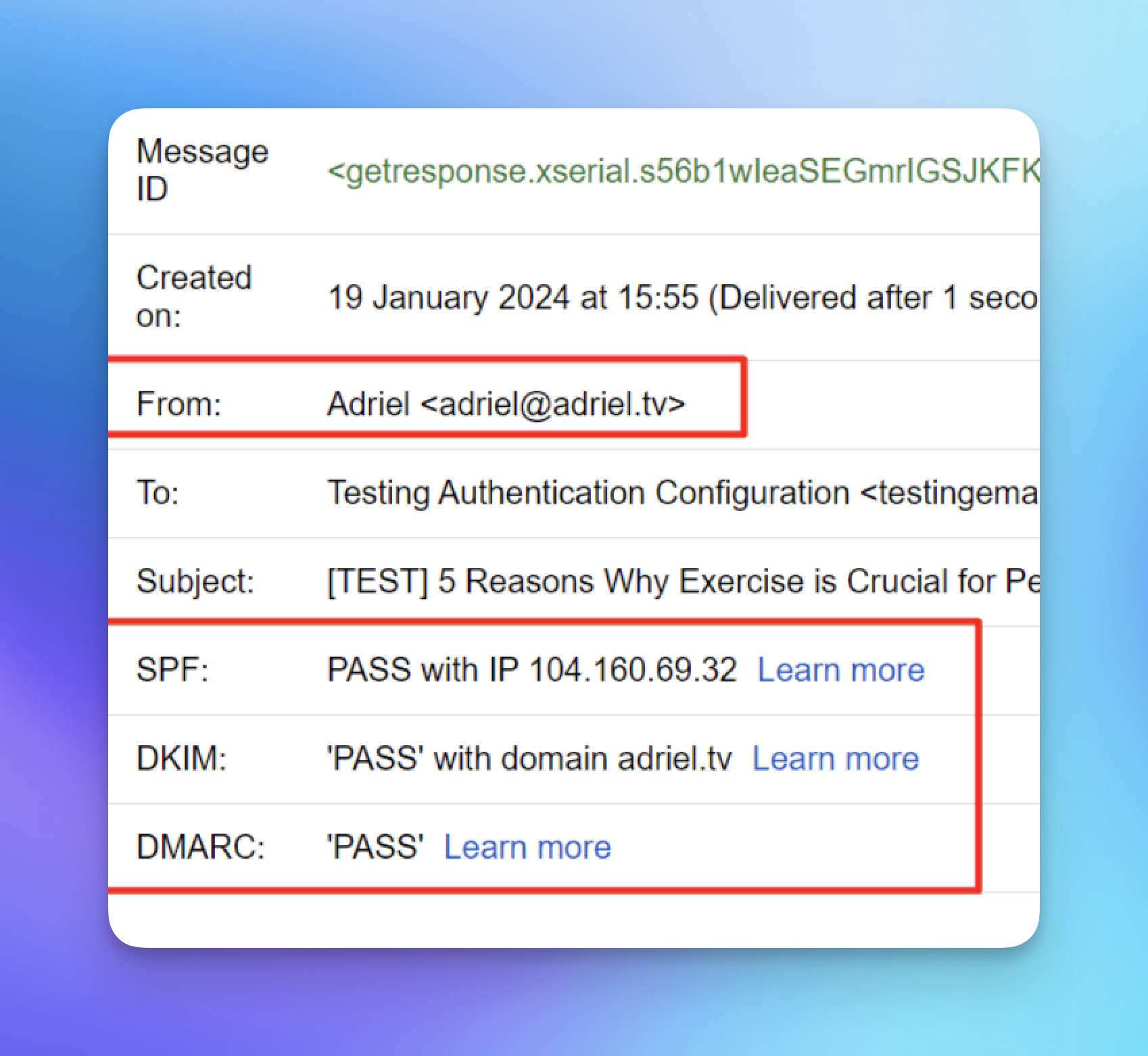
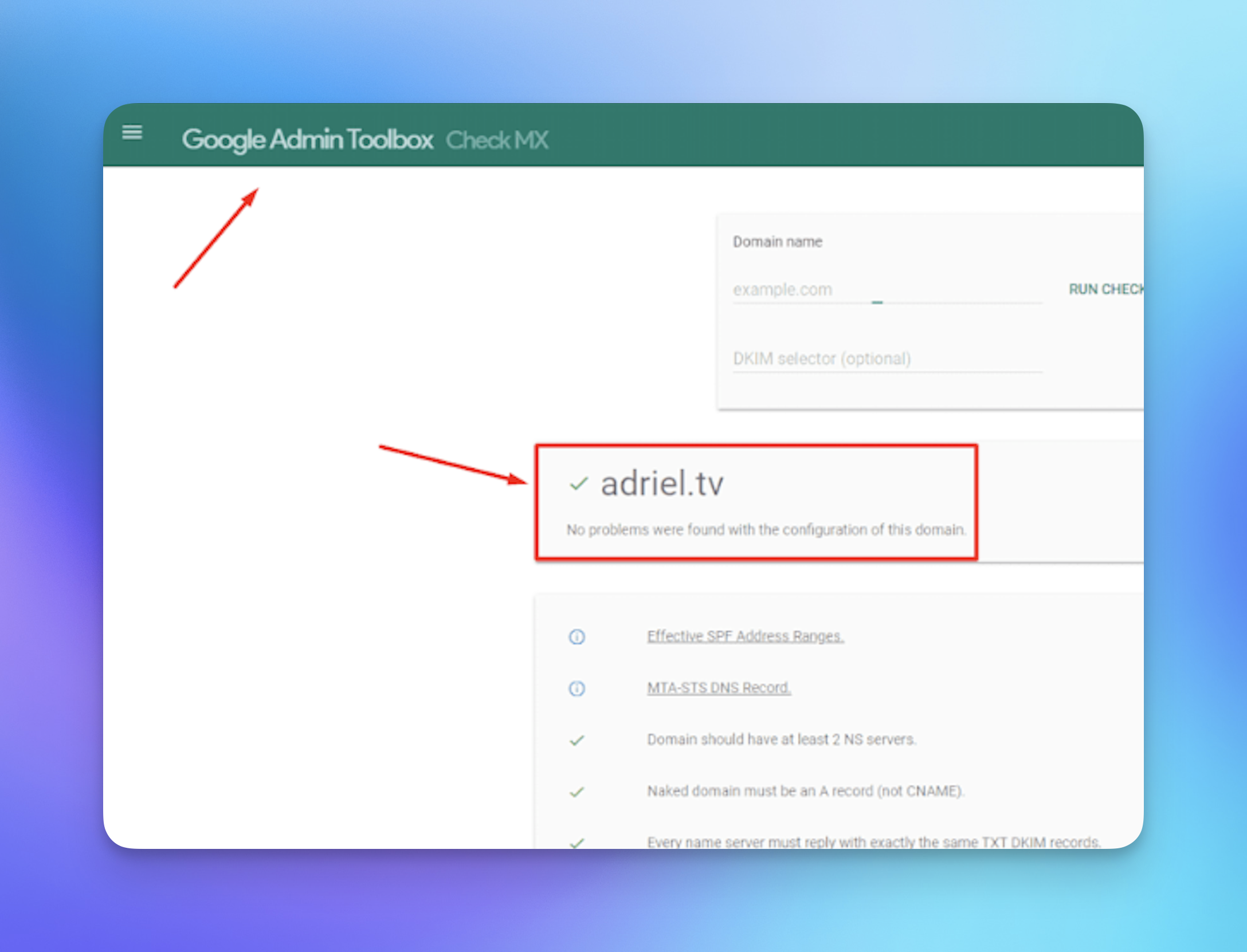
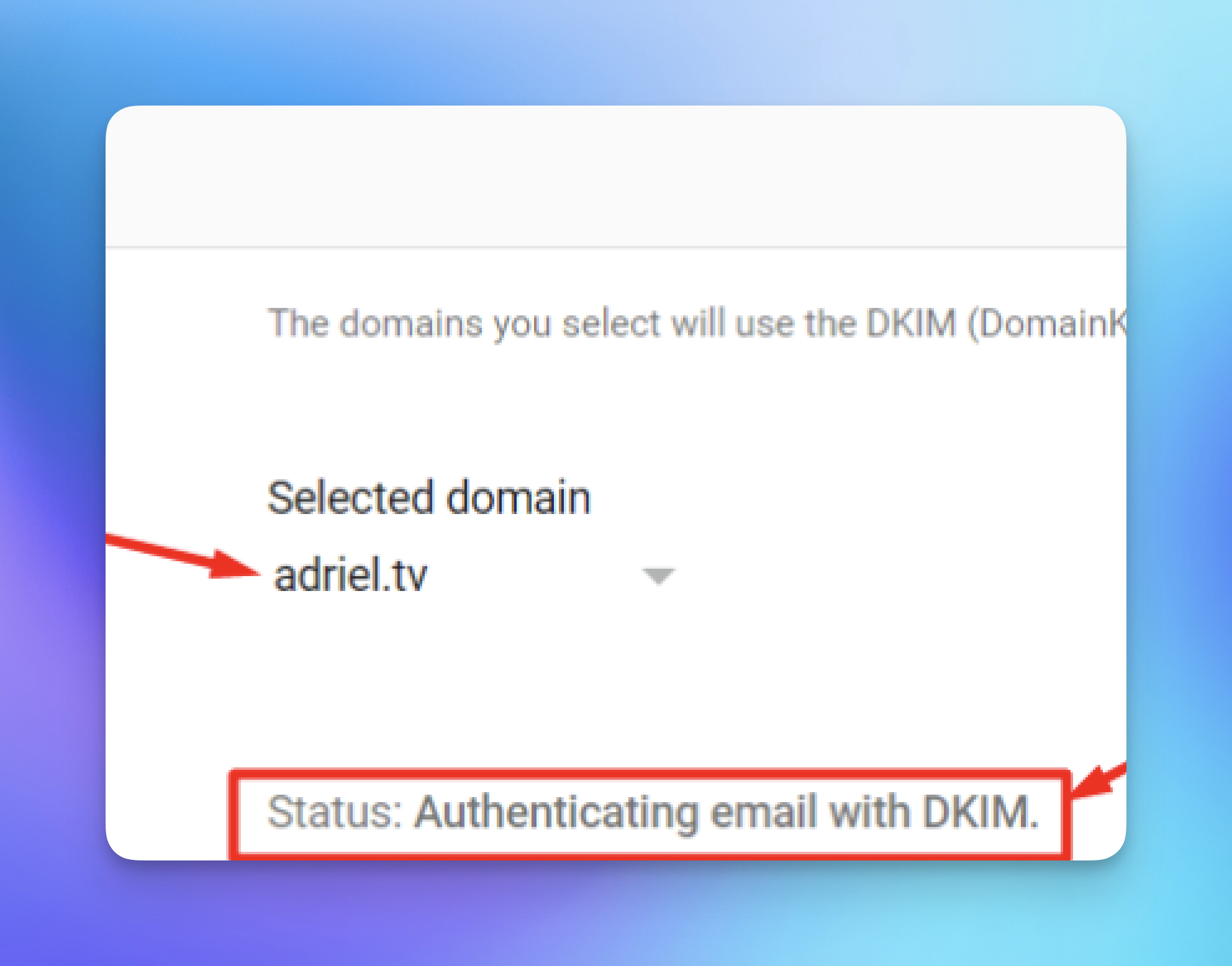
Step 1: Get the DMARC Lowdown First things first, wrap your head around what DMARC is and how it throws shade at phishing and email spoofing. It's like your email superhero, so know the basics.
Step 2: Scope Out Your Email Game. Take a good look at your current email setup. Find any weak links or spots where sneaky stuff might slip through. Figure out which email domains are VIP, and hit them with DMARC first for some extra protection.
Step 3: Update DNS Like a Pro Time to update your Domain Name System (DNS) records. Toss in those TXT entries that tell the world how you want unauthorized emails from your domain handled. It's like giving your domain a bouncer.
Step 4: Get Reports Rolling Set up some slick reporting systems to keep tabs on DMARC action from different mail servers. These reports spill the tea on authentication fails, where those sketchy emails are coming from, and any possible threats. Knowledge is power!
Step 5: Start with Easy-Going Policies Don't go full lockdown right away. Kick off with a chill policy like "none" or "quarantine" to ease into it. This way, you can spot any false alarms and crank up security without messing up the good stuff.
Step 6: Keep Your Eyes Peeled Stay on top of your DMARC game. Regularly check reports and maybe snag some extra help from third-party tools. The key is to catch issues ASAP and keep your email fortress strong. Easy, right? Keep rocking that DMARC shield! 🚀✉️